The FELS Hotline: Don’t Wait Until You’re in a Jam
At FELS, we receive calls from agricultural employers across California facing all kinds of workplace challenges. Sometimes it’s an employee issue, sometimes it’s a question about a new regulation, and other times it’s a grower who has found themselves in a bit of a jam.
And that’s exactly why we’re here. Our team is ready to help employers navigate difficult situations, answer questions, and work through compliance challenges. But these calls often leave me thinking: What if we could help employers avoid the issue in the first place?
Recently, the FELS team met with Cal/OSHA Consultation staff, who shared information about the most frequently cited workplace safety violations in California agriculture. Looking through the list, something stood out to me. Several of these violations involve requirements that can be addressed with relatively simple steps, provided employers know what to look for and have the right procedures in place.
The most frequently cited standard? Field sanitation.
According to the Cal/OSHA data, field sanitation (Title 8, Section 3457) topped the list, with 518 citations and more than $235,000 in penalties during the reporting period of October 2025 through September 2026.
Think about that for a moment. We’re talking about basic workplace necessities such as readily available drinking water, appropriate drinking cups, clean and accessible toilet facilities, and handwashing accommodations. These are not new requirements, yet they continue to result in citations.
Another interesting takeaway was how frequently heat illness prevention appeared on the list. Requirements related to written heat illness prevention plans, access to shade, and other heat illness protections were among the most commonly cited standards.
Heat illness prevention has been a major focus of Cal/OSHA enforcement for years. Yet employers continue to receive citations for requirements that, with proper planning, training, and implementation, can often be addressed before an inspector arrives.
Other frequently cited violations included injury and illness prevention programs (IIPPs), employee training, hazard assessments, and access to required safety equipment.
So, what can employers do differently?
Start by taking a proactive approach to compliance. Rather than waiting for a Cal/OSHA inspection, an employee complaint, or an incident to discover a gap in your safety program, take the time to review your current practices.
Do you have a written heat illness prevention plan, and are your supervisors and employees familiar with it? Are drinking water, shade, and sanitation facilities available and properly maintained? Is your IIPP current and reflective of your actual operations? Are required trainings being conducted and documented?
Having a written program is important, but implementation is where compliance really happens. A safety plan sitting in a binder doesn’t do much good if employees and supervisors aren’t following it in the field.
This is where FELS can help.
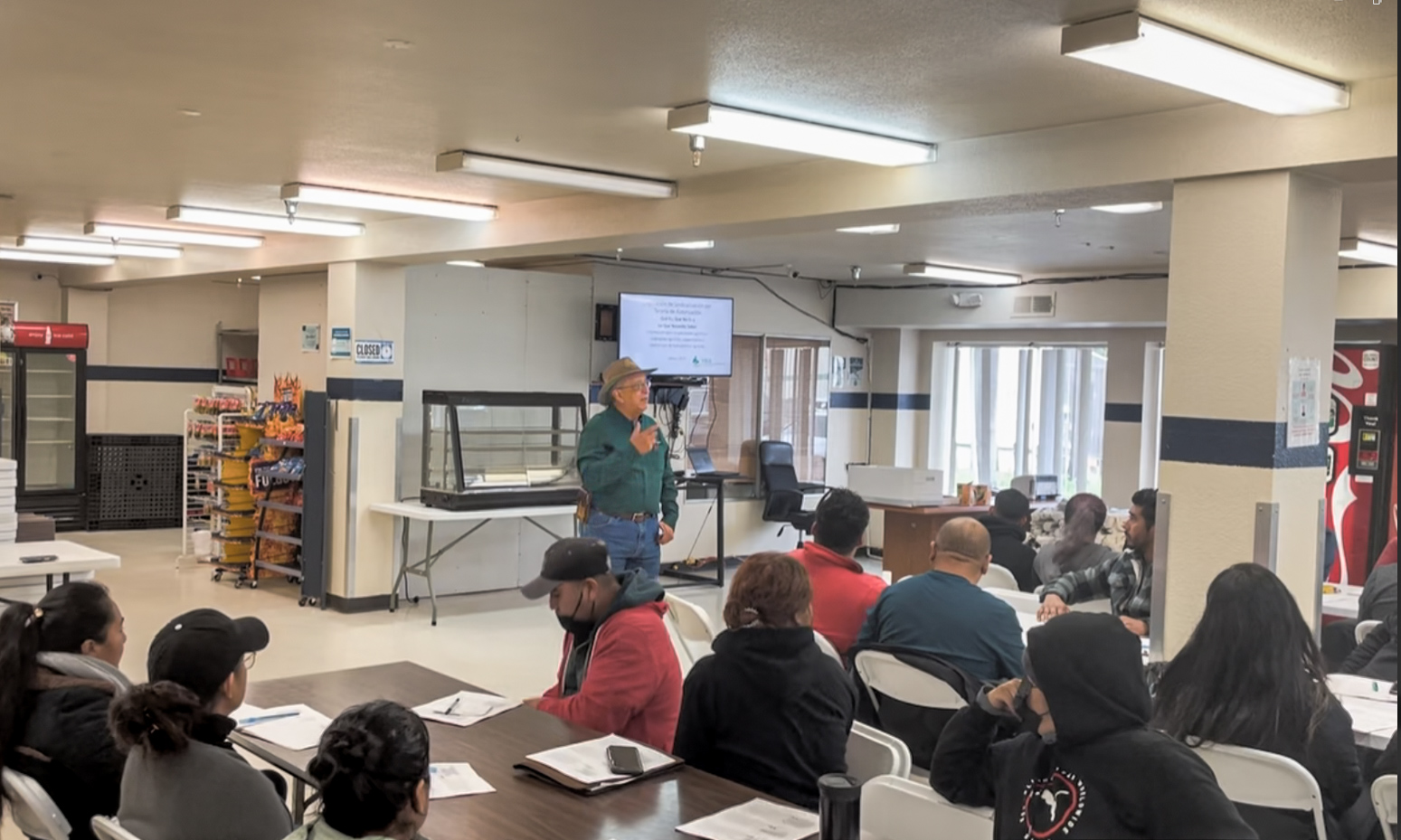
Our Labor Management Consultants work directly with agricultural employers to develop and implement workplace safety programs, conduct employee and supervisor training, review compliance practices, and help employers understand their responsibilities.
FELS members also have access to our hotline, educational resources, regulatory updates, and practical guidance to help navigate California’s complex employment and workplace safety requirements.
And here’s something I want to emphasize: You don’t have to have a problem to give us a call.
In fact, some of the most valuable conversations we can have with employers are the ones that happen before something goes wrong.
Whether you’re preparing for a new season, reviewing your safety programs, training a new supervisor, or simply wondering whether your current practices meet California requirements, FELS is here to help.
The Cal/OSHA citation data is a good reminder that compliance doesn’t always require complicated solutions. Sometimes it’s making sure the water cups are stocked, the toilets are clean, employees know where to find shade, and supervisors understand their responsibilities.
Those small details matter. And overlooking them can become costly.
My challenge to agricultural employers is simple: Don’t wait until you’re in a jam. Take advantage of the resources, information, and people available through FELS to get ahead of compliance issues before they become problems.
After all, preventing a problem is almost always easier than fixing one.
Have a question about workplace safety or employment compliance? Contact the FELS Hotline, 1-800-753-9073. We’re here to help you stay informed, prepared, and compliant.